Dev Update 3: August 2026
Updates on what we've been working on in August to launch the Leaf Shot plant timelapse camera!
We've been getting a lot of questions about our development timeline, so here we go!
Leaf Shot as a real endeavor began in 2026. I'd previously toyed with the idea of a sensor-fused timelapse camera but hadn't committed to building fully bespoke hardware and a complete timelapse render pipeline. What changed in 2026 was the true power of coding tools that enabled my small team to essentially do the work of about seven engineers.
Juggling hardware, camera tuning, software, and an iOS app is NOT easy. But going forward, that's how we'll be breaking down these updates. I can't share everything, as certain aspects of this development need to be kept private to prevent others from fully copying our work!
Please navigate to https://leafshot.io to sign up for our beta waitlist. We'll be picking 100 users to try LeafShot before anyone else. Twenty-five will be given a LeafShot free of charge, and 50 will get a 50% discount on their LeafShot plant camera hardware plus 6 months of premium in-app features. (See user agreement for terms.)
Hardware
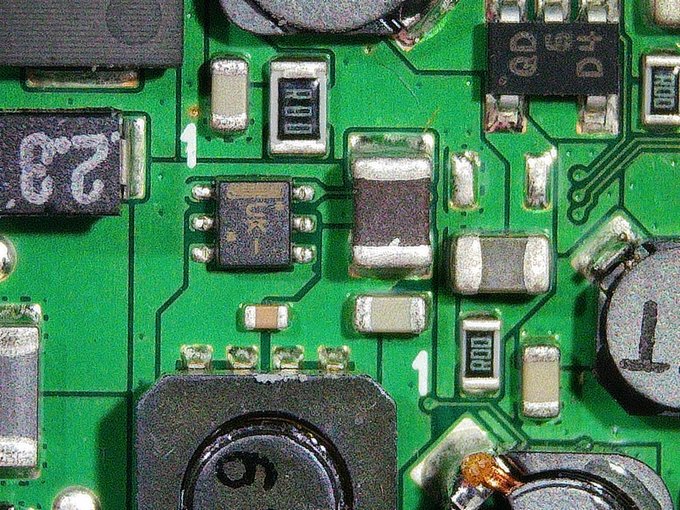
We are now on version 4 of the bespoke hardware (not counting our early Xiao ESP32 prototypes). The next version will be a two-sided, 4-layer PCB, so for all of you complaining about the size/form factor of the v4 prototype, you'll be happy to hear about this. That said, the size is being reduced by about 1.8x. Oddly, size and weight are actually hugely beneficial for timelapse cameras: they make it easier to ensure a good mounting position and to keep the camera from moving during the timelapse.
We've also added another sensor. I unfortunately cannot share what it is, but it has to do with understanding what light your plants are emitting (separate from sunlight or grow lights).
This new form factor will also feature some updates to reduce noise and improve pairing time. Explaining that gets a bit technical, but just trust us for now. We've also finalized the status light colors, their location, and how many buttons will be on the final device.
Camera Tuning
One of the single most complex parts of building a timelapse camera (and why many people quit after trying) is balancing what you want with the actual capabilities of commodity camera sensors. It's pretty crazy what you can buy for under $20 these days, but that doesn't mean the camera will play nice without a lot of extra tuning.
If you've seen some of our test videos on Instagram, you'll notice we have some test rigs with a reflective background and bright LED grow lights surrounded by black. This is intentional: we want to create the "worst" conditions possible to understand when our camera struggles, or even creates unusable images, as it tries to adjust white balance, exposure, and other parameters. It's accurate to say that, for the most part, cameras have a bit of a mind of their own. No, seriously: there's a small processor on the camera itself that has to be helped along to make the right decisions about lighting.
With continued testing (around 5,300 shots in total), we've wrung about as much performance as possible out of the camera module we've selected. (We might also be doing some clever math with the light sensor to inform our algorithm… maybe.)
Software
This is split into our internal management tools for keeping track of the entire system used to run LeafShot, our backend, and some other important parts of the render pipeline.
One cool thing: we've been able to acquire sponsorship for timelapse rendering that's 100% powered by renewable solar energy. Not something we'd think to find given all the data center hype.
We've also begun security-hardening all of our public-facing systems. This is essential for our progress going forward, so we can focus completely on hardware and on growing our presence online and in the plant community.
iOS App
We have submitted our customer-facing app to Apple for publishing on the Apple App Store. We'd like to be up front about our pending beta list, which will explicitly use a "Beta" app distributed via TestFlight. This is primarily to expose features to early testers that won't otherwise be available to the general public.
It's both for security reasons and to ensure we can fix any errors found during our public testing phases. Submitting apps to Apple can be a lengthy process, but we're confident our submission should land within our timetable for an official launch of the LeafShot plant timelapse camera.
We'd like to thank everyone for their patience and participation in our early and growing community of plant enthusiasts. We kindly ask that you link and share our socials to find more people who might want to join us on our journey to build the best plant timelapse camera ever made!
Cheers,
LeafShot Team